
Attic Ventilation & Attic Fan Installation in Central Virginia: We Check the Airflow Before We Add a Fan
Attic ventilation and attic fan installation from Elite Air & Electric, serving Central Virginia, starts with a look at how air actually moves through your attic. Sometimes a fan is the right fix. Sometimes it isn't, and we'll tell you which before any work begins.
Request a Free Estimate
Serving Central Virginia Since 2011
Locally Owned & Family Operated
Licensed, Bonded & Insured
Free Estimates
Maybe your attic turns into an oven every summer, or you've spotted damp patches up there in winter. Either way, you want the work to match the real cause.
A Fan Only Earns Its Place When the Attic's Airflow Is Balanced First
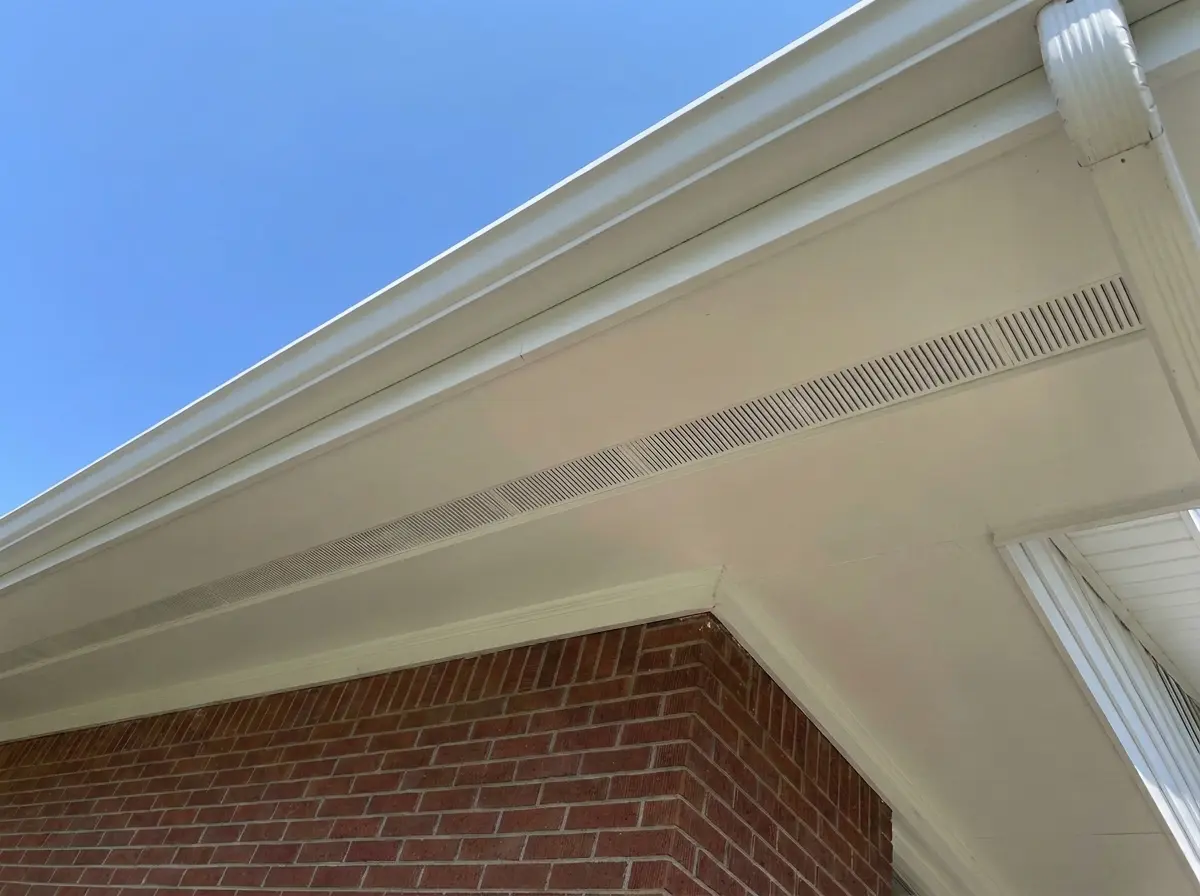
If your upstairs rooms stay stuffy at bedtime on a Central Virginia summer night, an attic fan can look like the obvious fix. Not every attic needs one. Whether yours does comes down to balance: how much fresh air enters low through soffit vents at the eaves, and how much warm, moist air escapes up high through ridge, gable or roof vents. [1]
Clear, well-matched vents can often keep an attic breathing on their own. Blocked or undersized intake is another story. A powered fan can end up drawing air from the wrong places, including the conditioned rooms underneath. [2]
That's why our attic ventilation and attic fan installation work starts with intake and exhaust as a pair. We note which vents are already in place, check whether insulation is covering the soffits and see how tightly the attic floor is sealed off from your living space. Only then do we put a fan on the table, and only if it fits your attic. That assessment comes from an experienced HVAC contractor who looks at the whole attic, not just the fan.
What We Handle
Every job stays focused on your attic and what it really needs.
- An attic ventilation assessment that looks at intake and exhaust together
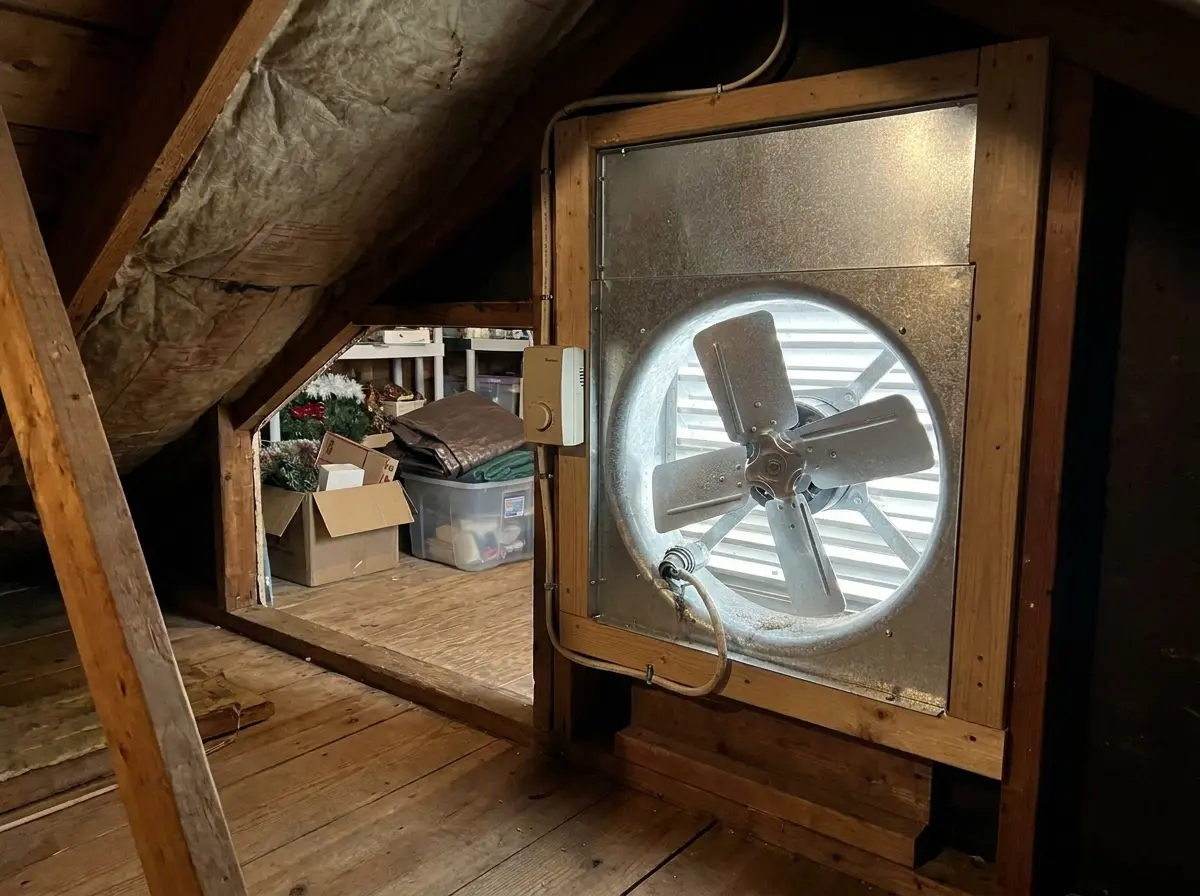
- Attic fan installation, sized and placed for your attic's layout
- Fan controls, such as a thermostat or humidistat, wired and powered correctly
- A check of the attic floor and any fuel-burning appliances before a powered fan goes in
- A frank call when better venting, not a fan, is the right answer
That floor and appliance check matters more than it might seem. A powered fan over a poorly sealed attic floor can draw air up from the house, and that suction can interfere with how gas appliances vent. Attic work is one part of our HVAC services, so we plan it with the rest of your home's air in mind.
How a Visit Works From First Call to Clean Attic Hatch
No surprises, start to finish.
- You call or send a message, and we book an assessment at a time that works for you.
- Our technician shows up when we said we would and looks at the whole attic, from the soffits to the roof line.
- You get a clear, written recommendation and estimate, with no pressure to add a fan you don't need.
- We install on the schedule we gave you, then clean up the hatch area and every room we walked through.
Why Central Virginia Homeowners Choose Elite Air & Electric
Our estimates are free, which matters on a job like this. The right answer may turn out to be a smaller job than you expected, and you shouldn't have to pay just to hear it.
An attic fan sits right where ventilation meets wiring. It needs a safe electrical connection of its own, and that's the part that often means calling in a separate electrician. Elite Air & Electric is licensed, bonded and insured, so the same crew takes care of both the airflow and the power behind it.
We also come across plenty of older houses where vents were added piece by piece over the decades, or buried under newer insulation. Long, humid summers leave those attics sweltering. Winter brings the opposite problem: on cold nights, warm, damp air leaking up from the house can leave frost or moisture on the underside of the roof. We watch for those patterns and walk you through what we find in plain language.
Where We Work
We're based in Monroe and work with homeowners in Lynchburg, Amherst, Appomattox and Nellysford, along with nearby towns on our regular service list. Attics in older homes near the James River are framed differently from those in newer builds tucked into the Blue Ridge foothills. We take each one as it comes.
Get an Honest Answer on Your Attic Before You Buy a Fan
An attic that bakes in July or shows moisture in January is telling you something about its airflow. The answer might be a new fan. It might also be clearer soffits or a better match between intake and exhaust.
Call Elite Air & Electric or send us a message to book your attic assessment. We'll check your vents, insulation and attic floor, then give you a straight recommendation, even if that means skipping the fan.
Every attic is different, so contact us for exact pricing on your home.
Upstairs rooms running hot or attic air feeling damp? Talk to a real person about your attic ventilation today. Call (434) 856-1004 →
Request a free estimate
Tell us what’s going on and we’ll get back to you to schedule a free, no-pressure estimate. Prefer to talk now? Call us directly.
Licensed & Insured
Free estimates, always.
Straight Answers About Attic Fans, Ridge Vents and Cost
Is an attic fan necessary with ridge vents?
An attic fan usually isn't necessary with ridge vents when your soffit intake is clear and sized to match. A powered fan on a ridge-vented roof can suck outside air in through the ridge itself, short-circuiting the airflow you already have. So we check intake first and recommend a fan only when the attic genuinely needs one.
Will an attic fan help cool a house?
An attic fan helps cool a house mainly by easing attic heat, which can make upstairs rooms feel less stuffy. It won't replace your air conditioning. A sealed attic floor and good insulation often matter just as much, because a fan in a leaky attic can drag cooled air up out of the living space.
How much does attic fan installation cost?
Attic fan installation cost depends on the fan type, your existing vents and the wiring needed to power it. A new roof-mounted fan on its own circuit is a bigger job than adding controls to a fan you already have, and in some attics improved venting alone does the trick. Contact us for exact pricing on your attic.
Sources
- buildingscience.com/sites/default/files/migrate/pdf/PA_Crash_Course_Roof_Venting_FHB.pdf
- aceee.org/wp-content/uploads/proceedings-1980-2020/1994/SS94_Panel5_Paper25.pdf
Get Your Attic Moving Air the Right Way
Whether your attic fan quit mid-summer or your ventilation never quite worked, our team can get your attic breathing properly again. Call (434) 856-1004 →